Formerly the Grand Rapids Area Coalition to End Homelessness
Homelessness in Kent County looks different than most people expect. It affects families with children, working adults, young people, veterans, and seniors. Each year, nearly 10% of Kent County’s population experiences some form of it.
Entering homelessness is almost always preceded by a precipitating event: a job loss, a medical crisis, a family breakdown, a rent increase that outpaces a paycheck. For most households, homelessness is short and does not repeat. Some need help getting back on their feet. A smaller number, often people living with a disability, require longer-term support.
Homelessness is always a crisis. The leading drivers in Kent County are housing costs and household emergencies, not personal preference. No one chooses homelessness.
“Nearly 62% of people in shelter, transitional housing or permanent housing projects had no prior enrollments in at least 2 years – meaning most people experiencing homelessness are new to it, not caught in a recurring cycle”
Source: FY25 SPM M5
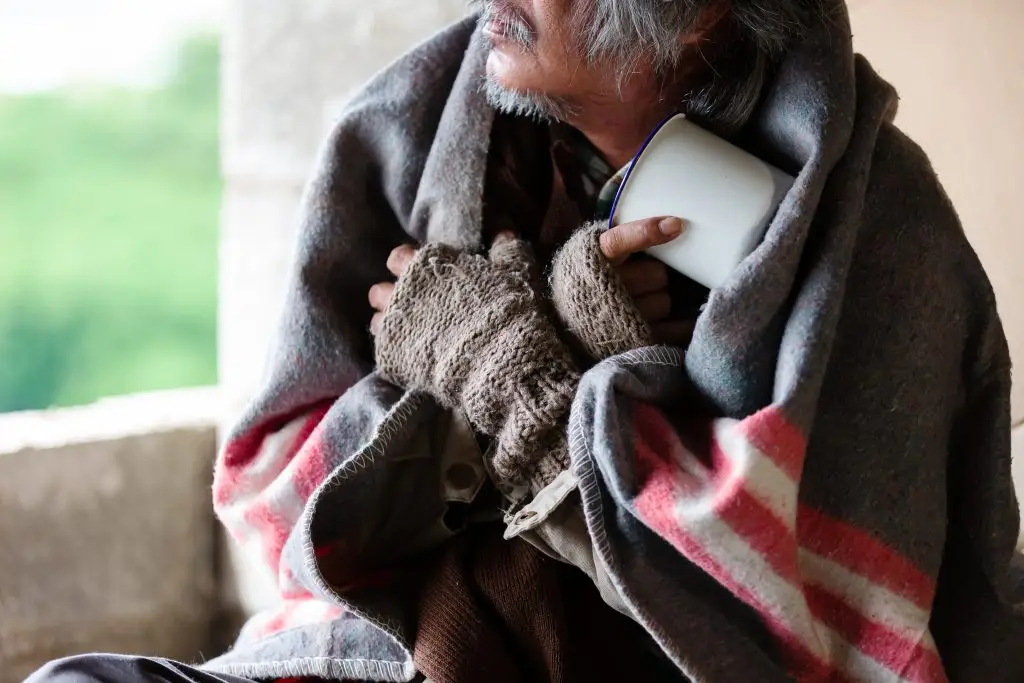
Unsheltered homelessness is the most visible form, not the most common one. The majority are in temporary shelter, or transitional housing. Most stay even more hidden, in vehicles or abandoned buildings.
Those experiencing homelessness are more than a stereotype. “In the 2026 PIT Count, 95% of the unhoused were in a shelter or transitional housing.”

The data says otherwise. Kent County’s coordinated homelessness response system moves people into stable housing — and once they’re there, they stay there.
91% of people who exit to permanent housing do not return to homelessness within two years.
Source: CY26 SPM M2
Kent County does not respond to homelessness with a patchwork of disconnected charities. It responds with a coordinated system: outreach teams, emergency shelters, housing programs, and supportive services. The Kent Homelessness Coalition serves as the coordinating body that brings these partners together around a shared approach, helping make homelessness rare, brief, and one-time.
Wherever someone starts, they reach the same next step.
Michigan 211
Phone, text, or online, 24/7
Street Outreach
Teams meeting people where they are
Shelters & Drop-ins
Emergency and daytime sites
One shared assessment, used countywide. Every door leads here.
Needs are prioritized by situation rather than by who arrived first.
A case worker builds a plan with the household and works through documents, barriers, and eligibility.
Providers connect the household to the programs that fit their situation, as openings become available.
Support continues after move-in so fewer households return to the system. Need in Kent County outpaces the housing available, so every household’s path looks different. This is what the whole system is built to move people forward.